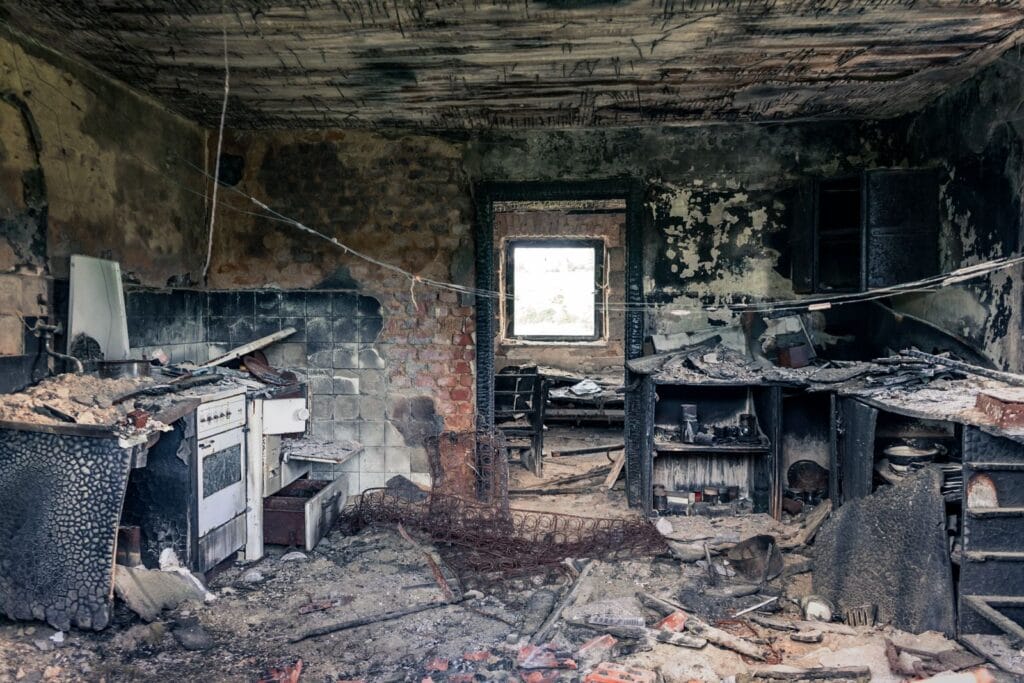
If you have ever dealt with the aftermath of a fire, you know how hard it is. A fire does not just burn your property. It leaves behind smoke, soot, and all the water used to put the flames out. That water soaks into drywall, insulation, and flooring, and it can start feeding mold in as little as 24 to 48 hours.
Even a small kitchen fire causes damage well past the room it started in. Smoke travels through vents and doorways. Soot stains ceilings on the floor above. Real cleanup means carpet cleaning, drywall repair, painting, and odour removal, not a mop and a fresh coat of paint.
Mold Removal Winnipeg handles fire and smoke damage from the first inspection to the last repair. Our IICRC certified technicians answer 24/7 and we work with your insurance company on the claim. Need help now? Call (204) 789-1514 today.
We know that your home is filled with memories and you want it back as soon as possible. Our restoration specialists are on site within 1 hour, ready for anything, from securing the structure to boarding up windows and moving belongings out of harm’s way.
Fire restoration covers more trades than most people expect. One job can touch electrical, plumbing, roofing, damage mitigation, and remodelling work, with the insurance paperwork stacked on top. Ask any contractor you call for proof of licensing, insurance, and bonding before the work starts.
Experience counts as much as paperwork. No two fires leave the same damage, and the order the work is done in decides how much of your home can be saved. Moving fast keeps mold from settling into carpet and drywall while moisture is still in the building.
We specialize in disaster relief and our crews handle assessments and removal work 24/7. If you are unsatisfied after a cleanup or an assessment, tell us within 30 days and we will make it right. Call (204) 789-1514 or ask for an estimate on our contact page.
Fires produce a lot of ash and soot, and what is left behind is not simply dirt. It is acidic, and it keeps eating into metal, glass, grout, and painted surfaces long after the flames are out. Chrome pits, appliances corrode, and stains set for good if nobody treats them.
The clock is short. Soot on plastic and metal can cause permanent discolouration within days, and etching on glass and stone can start in the first week. That is why the cleaning has to happen before the rebuilding does.
Soot also carries the smell. It works deep into porous materials such as carpet, padding, upholstery, and drywall, so the odour comes back on humid days even after the surface looks clean. Removing it takes fogging equipment and air scrubbers, not household cleaners.
Smoke residue affects the air you breathe as well. Fine particles sit in the ductwork and drift back into the rooms every time the furnace runs. Air quality testing tells you whether the air in the house is back to normal.
Fire damage and water damage almost always arrive together. Firefighters and sprinklers leave hundreds of litres of water in the building, and it soaks into the places you cannot see: wall cavities, subfloors, and insulation.
Mold needs moisture, warmth, and something organic to feed on. A wet, closed up house after a fire gives it all three. Growth can start in 24 to 48 hours, so drying is part of fire restoration, not a job for later. If mold is already there, our mold removal and remediation crew handles it on the same visit.
Mold spores travel easily through the air and bring coughing, sneezing, and irritated eyes, and worse for anyone with asthma or allergies. If the water sat for several days before anyone reached it, assume mold is present and have it checked.
Older Winnipeg homes carry one more risk. Asbestos was used in insulation, floor tile, and drywall compound for decades. A fire, and the demolition work that follows, can disturb those materials and release fibres into the air. We inspect for it first, and handle testing and asbestos removal before anything is torn out. Call (204) 789-1514 and we will start with an inspection.
Smoke damage is everything the smoke leaves behind once the fire is out. It stains ceilings and walls, works into carpet, drapes, and furniture, and leaves a smell that keeps coming back on humid days. It gets worse the longer it sits, so cleaning should start as soon as the fire crew clears the scene.
Start with soot. It is usually black or dark grey and can look like a fine powder on ceilings, walls, floors, and furniture. Check the rooms beside the fire and the floor above it, because smoke travels through vents and doorways. Some of the damage only shows up after a surface has been cleaned.
Not until someone checks the building. The structure can be weakened, the wiring can be damaged, and soot and smoke particles are not safe to breathe. If you have to go in, wear a mask and keep it short. Wait for a written assessment before you move back in.
Photograph the damage for your insurance company before anything is moved. Then call a restoration company to assess the property and secure it, which can mean boarding up openings and tarping the roof. Leaving the building open to weather and water turns a repair into a rebuild. Call (204) 789-1514 any hour and we will start with an inspection.
Many of them can, if they are treated quickly. Soot is acidic and keeps eating into metal, plastic, and fabric every day it sits there. Tell the crew which items matter most to you. Things that need more work can be packed out and cleaned off site.
It is better not to. Household cleaners can drive soot deeper into a surface and set the stain for good, and scrubbing the wrong way ruins material that could have been saved. Smoke residue also carries particles you should not be breathing. A trained crew has the equipment to clean it and knows what has to be replaced instead.
Ask for proof of licensing, insurance, and bonding before anyone starts work. Ask for references from past customers, and ask which technicians are certified and in what. Our technicians are IICRC certified, and you get a written scope of work before the job begins.
The fire department does, and your insurance company may send its own investigator. Once the flames are out it is often hard to tell where a fire started. Our crews deal with the damage, not the cause, and we document what we find so your claim has the detail it needs.
Most home and business policies cover fire and smoke damage, but what is included depends on your policy. Call your insurer and open the claim as soon as you can. We work with insurance providers and give you the photos, the moisture readings, and the written scope they ask for.
Keep a working fire extinguisher where you can reach it, in the kitchen and near the furnace. Put smoke alarms on every floor and outside every bedroom, and test them. Talk to everyone in the house about candles, space heaters, and anything with an open flame.