Water Damage Restoration Winnipeg
Water infiltration puts your health and property at risk
Water does not wait. A burst supply line, a spring thaw backing up into the basement, or a slow leak behind a wall can soak drywall, flooring, and framing in a matter of hours. The damage keeps spreading until someone stops the water and dries the building out properly.
Mold Removal Winnipeg answers 24/7. Our IICRC certified technicians find the source, pull out the standing water, dry the structure with commercial equipment, and repair what the water ruined. We see this every week in older Winnipeg homes, where basements take the worst of the spring melt and the summer storms.
We handle the insurance side too. We photograph the loss, log moisture readings day by day, and deal directly with your provider so the claim keeps moving. If mold has already started, our mold removal and remediation crew treats it as part of the same job instead of sending you to a second company.
A full restoration covers more than a wet vacuum. We remove the free standing water, take out the carpet, drywall, and insulation that cannot be saved, dry the structure down to normal moisture levels, clean and disinfect every affected surface, and then put the room back together. See everything we do on our services page.
Call (204) 789-1514 for water removal, flood cleanup, and damage repair anywhere in Winnipeg, day or night. You can also contact us online and we will call you back.
Why Choose Our Water Damage Team
- IICRC certified technicians
- Water removal and extraction with commercial pumps
- Structural drying and dehumidifying
- Mold removal and remediation
- Flood and water damage restoration in Winnipeg, MB
- Sewage and contaminated water cleanup
- Moisture readings and infrared inspection
- Odour removal and antimicrobial treatment
- Repairs and rebuilding once the structure is dry
- Available 24/7, every day of the year
- Prompt response across Winnipeg and the surrounding area
- We work with insurance providers and handle the paperwork
Why Is Water Damage So Dangerous?
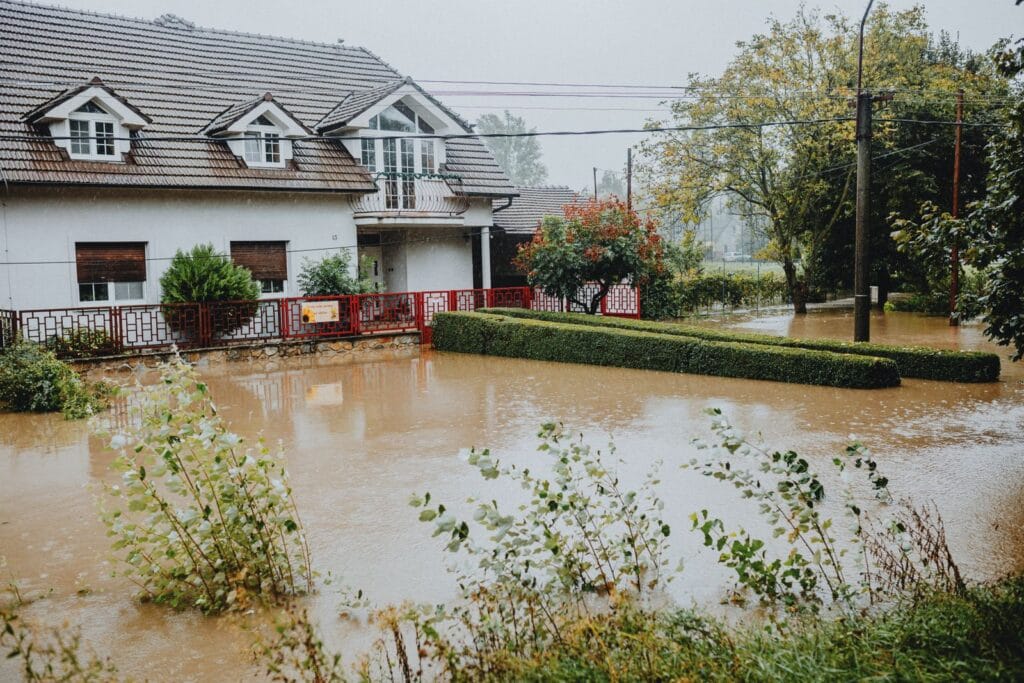
Water damage gets worse by the hour. Materials soak it up, moisture travels into places you cannot see, and the repair bill climbs. The first 24 to 48 hours decide how much of your home you keep and how much comes out in bags.
Mold is the reason that window matters so much. Mold spores are already in the air. They only need moisture and something to feed on. Give them wet drywall, carpet, or wood for more than 48 hours and they start to grow. Once mold is inside a wall cavity, a simple dry out turns into a full mold removal job.
Water also does not stay clean for long. Restoration work sorts it into three categories. Category 1 is clean water from a supply line, a tap, or rainwater. Category 2, often called grey water, comes from appliances, washing machines, or a toilet overflow with no solid waste, and it already carries bacteria. Category 3, or black water, is sewage backup, river flooding, or water that has sat long enough to turn foul. Category 3 is a biohazard and calls for full protective equipment.
Clean water does not stay clean. Leave Category 1 water on the floor for a day or two and it picks up bacteria from everything it touches, then drops a category. That is one more reason to act on the first day.
How much water there is, and what it soaked into, sets the class of the job. Class 1 is a small amount of water on hard surfaces such as sealed concrete, and it dries quickly. Class 2 is a whole room of soaked carpet, underlay, and drywall part way up the wall. Class 3 is water that came from above and ran down through ceilings, walls, and insulation. Class 4 is deep saturation of hardwood, plaster, concrete, or stone, and it needs low humidity drying over a longer stretch of time.
Winnipeg winters make it worse. Water that soaks into a wall in January can freeze, expand, and split the material it is sitting in. It thaws, soaks a little deeper, and freezes again. Each cycle opens the damage a bit wider, and none of it is visible from the hallway.
How long the work takes depends on the scope. A single wet room on a concrete floor can be dry in a few days. A flooded basement with soaked framing and insulation takes longer, and the drying equipment stays in place until the meters say the structure is dry.
Standing water damages the building itself as it sits. It corrodes pipes, ruins electrical systems, rots framing, swells and warps floors, stains finishes, and leaves a damp odour that will not air out. In an older home it can also disturb asbestos, so ask for asbestos removal and abatement before the demolition starts. After a fire, the water used to put it out leaves its own mess on top of the fire and smoke damage.
Do not wait to see how it dries on its own. Take photos, call your insurer, and call us at (204) 789-1514.
Common Water Damage Sources
- Burst or frozen pipes
- Overflowing sinks, bathtubs, and toilets
- Failed washing machine or dishwasher hoses
- Broken water heater
- Leaky roof and damaged shingles
- Blocked or clogged gutters
- Ice dams along the eaves
- Spring melt and heavy rain
- Foundation cracks and flooded window wells
- Flooded basements
- Backed-up sewage and septic tanks
- A sump pump that fails during a storm
- Sewer backup on the city line
- Slow leaks behind walls and under cabinets
Water Damage Risks To Property
- Weakened building structure and rotting framing
- Swollen, warped, and cupped flooring
- Ruined carpet, underlay, and drywall
- Corroded pipes and fittings
- Damaged electrical systems and appliances
- Damaged concrete and brick
- Ruined furniture, books, and stored belongings
- Permanent stains on walls, floors, and furniture
- A damp odour that spreads through the whole house
- Repair costs that climb every day the water sits
Untreated Water Damage Risks To Health
- Standing water is a breeding ground for bacteria and viruses
- Sewage backup from flooding is a dangerous biohazard
- Wet and damp materials let toxic mold take hold
- Mold spores can trigger coughing, wheezing, and asthma symptoms
- Damp air irritates eyes, skin, nose, and throat
- Insects and pests are drawn to wet environments
- Contaminated water carries illness into your living space
- Wet electrical systems are a shock and fire risk
Our Water Damage Restoration Process
01
Water Damage Assessment
- Identify and stop the water at its source
- Determine the category of water: clean, grey, or black
- Survey how far the water travelled and what it soaked
- Take moisture readings and check hidden cavities
- Move or block off furniture and contents
- Photograph and document everything for your claim
- Walk you through the treatment plan before we start
02
Water Removal & Extraction
- Industrial pumps and vacuums to remove standing water
- Extract water from carpet, underlay, and subfloor
- Remove carpet, drywall, and insulation that cannot be saved
- Measure the damage with moisture meters and hygrometers
- Infrared cameras to find hidden water behind walls and ceilings
- Mold removal and remediation if mold has started
- Haul away and safely dispose of ruined material
03
Drying & Dehumidifying
- Set air movers and commercial dehumidifiers through the wet area
- Pull the remaining moisture out of framing, subfloor, and drywall
- Track progress daily with moisture monitoring equipment
- Adjust the drying plan until the readings come back to normal
- Prevent secondary damage such as swelling, warping, and cupping
- Confirm the structure is dry before any rebuilding starts
04
Clean & Repair
- Complete cleanup of damaged contents
- Antimicrobial sanitising and disinfecting of affected surfaces
- Odour removal and deodorisation
- Safe disposal of material that cannot be saved
- Structural repairs and renovations if needed
- Flooring, drywall, and paint put back the way they were
- Insurance coordination from the first photo to the final invoice
What To Do If You Have Water Infiltration
What To Do
- Turn off the water at the source if you can reach it safely
- Shut off the power to the affected area at the breaker
- Move people, pets, and valuables out of the wet space
- Safely block the water from reaching dry rooms
- Take photos and video for your insurance claim
- Lift furniture off wet carpet or put foil under the legs
- Open windows if the air outside is drier than the air inside
- Call a professional water damage restoration company right away
What Not To Do
- Do not use a household vacuum to pick up water
- Do not try to dry a soaked room with paper towels
- Do not switch on lights or appliances in a flooded room
- Do not leave electronics plugged in near the water
- Do not walk under sagging walls or ceilings
- Do not throw out damaged items before they are photographed
- Do not assume a surface is dry because it feels dry
- Do not wait to call: mold can take hold within 48 hours
Frequently Asked Questions
What causes water damage in a home?
Most of it comes from one of two places. Outside water: heavy rain, spring melt, a leaking roof, a flooded window well, or a sewer backup. Inside water: a burst or frozen pipe, a failed washing machine hose, a broken water heater, an overflowing sink or toilet, or a sump pump that quits during a storm.
The slow leaks behind a wall or under a cabinet are the ones people find last, and they usually do the most damage.
How fast can mold start after water damage?
Mold can take hold within 24 to 48 hours on anything that stays wet. Spores are already in the air, and wet drywall, carpet, and wood give them what they need to grow.
That is why drying cannot wait for the weekend or for an adjuster to visit. Call (204) 789-1514 as soon as you find the water.
Can I clean up water damage myself?
You can mop up a small spill on a hard floor. Anything bigger carries real risk, because water and electricity together can hurt you and a household vacuum is not built to pick up water.
The larger problem is what you cannot see. Water travels into wall cavities, under flooring, and into insulation, and a surface that feels dry can still be soaked underneath. Without moisture meters and drying equipment, a do it yourself cleanup usually leaves enough moisture behind for mold.
Can you tell where the water is coming from?
Usually, yes. Sometimes it is obvious, such as a burst supply line or a sewer backup in the basement.
When it is not, we use moisture meters and infrared cameras to follow the water back through walls, ceilings, and floors. Finding the source first matters, because drying a room that is still filling up is wasted work.
Is the water in my basement dangerous?
It depends where it came from. Clean water from a supply line or from rain carries the least risk.
Water from an appliance or an overflowing toilet already holds bacteria, and a sewer backup or river water is a biohazard that calls for protective equipment and full disinfection. Clean water also gets dirtier the longer it sits, so treat water that has been there more than a day as contaminated.
Will my belongings be ruined?
Some things can be saved and some cannot. Hard goods, metal, and sealed surfaces usually clean up, while carpet underlay, mattresses, and soaked drywall or particle board rarely do.
Wood warps and metal rusts the longer the water sits, so speed decides much of it. Photograph everything before you throw anything out, because your insurer will want to see it.
How do you dry out a house after a flood?
First we stop the water and pump out what is standing. Then the material that cannot be dried comes out, such as soaked carpet, underlay, insulation, and the bottom of the drywall.
Air movers and commercial dehumidifiers run through the space while we track moisture readings each day. The equipment stays until the structure reads dry, not until it looks dry.
How long does the drying take?
It depends on how much water there was and on what soaked it up. A single wet room on a concrete floor dries quickly.
A flooded basement with wet framing, insulation, and hardwood takes longer, and rebuilding only starts once the readings are back to normal. We give you a timeline after the first inspection.
Do I have to leave my home during the work?
Often you can stay, especially when the damage is in one part of the house. You will need to keep out of the work area, and the power to that area is usually off while it is wet.
Sewage backup is different. That water is a biohazard, so the area stays sealed until it has been cleaned and disinfected. We tell you what to expect before the crew starts.
Does insurance cover water damage?
That depends on the cause and on your policy. A sudden burst pipe is treated differently from a slow leak that has been dripping for months, and water that comes in from outside the home is often covered under a separate part of the policy.
We photograph the loss, log moisture readings day by day, and send your provider the documentation they ask for. Call your insurer, then call us at (204) 789-1514, and we will handle the rest of the paperwork.
Can I keep water damage from happening again?
A lot of it is preventable. Have a plumber check the pipes and hoses you cannot see, watch the foundation for cracks, keep the gutters clear, and test the sump pump before the spring melt.
A backflow valve on the sewer line helps if your basement has ever backed up. Shut the water off at the main when you leave town for more than a few days.
How do I know a restoration company is qualified?
Ask who is doing the work and what training they have. Our technicians are IICRC certified and we answer 24/7, because water damage does not wait for business hours.
Ask whether they log moisture readings day by day and whether they deal with your insurance company directly, since both of those decide how the claim ends. Get the plan in writing before the equipment goes in.