
Mold does not arrive from outside and move in. The spores are already in your house, in the air and in the dust, and they have been there the whole time. What changes is the conditions. Give those spores water, something to eat and a few days undisturbed, and you have a colony. Cut off the water and nothing happens. That is the whole story, and it is why mold is a moisture problem before it is a cleaning problem.
The tricky part is that the source is rarely where the stain shows up. Water travels along framing and pipes and surfaces somewhere else entirely. At Mold Removal Winnipeg, we spend more time finding the moisture than removing the growth, and in older Winnipeg homes it is usually a foundation crack, a tired supply line or a basement that never fully dried out after the spring melt.
The Conditions Mold Needs to Grow
Most household species want the same handful of things. Take away any one of them and growth stops.
Moisture
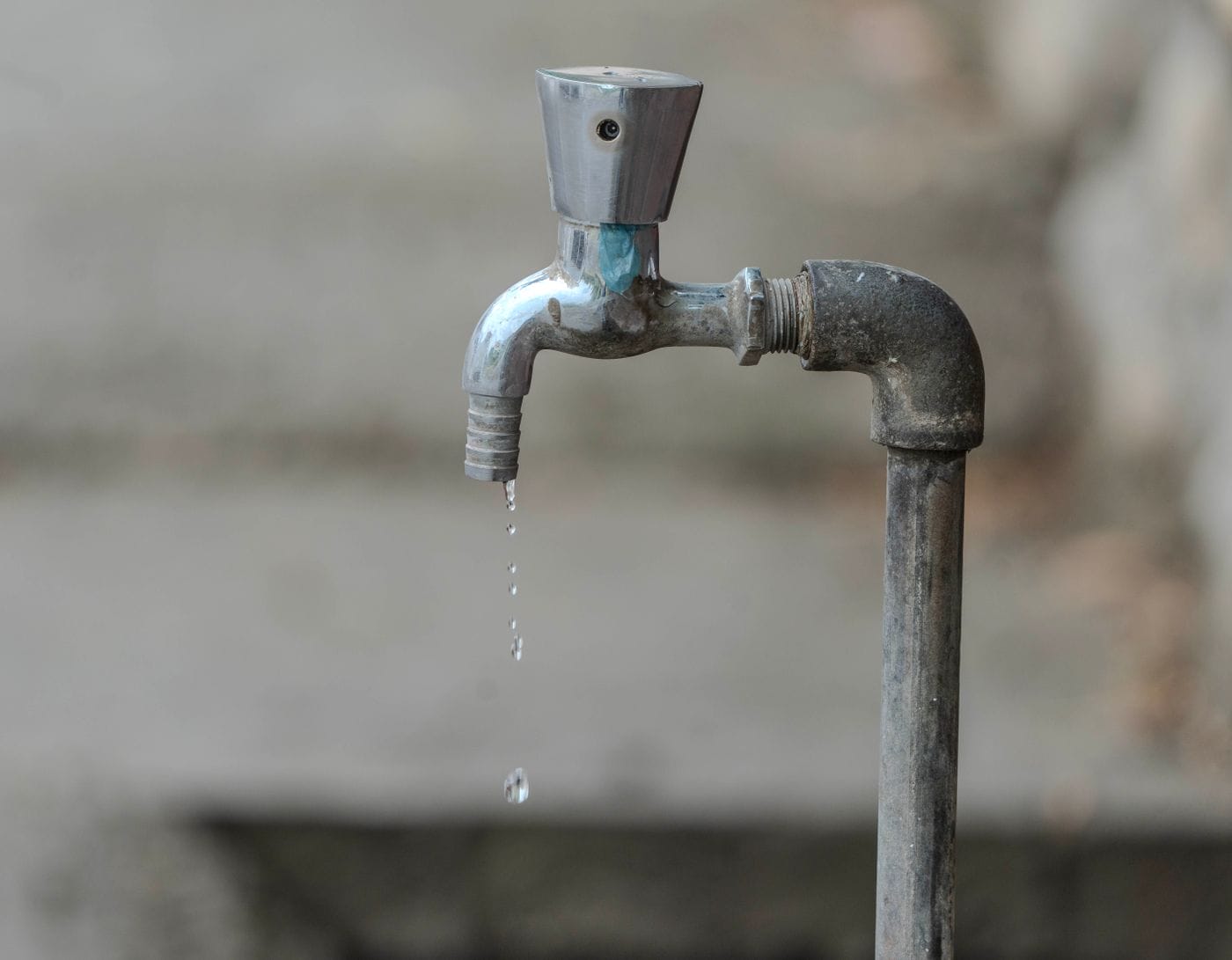
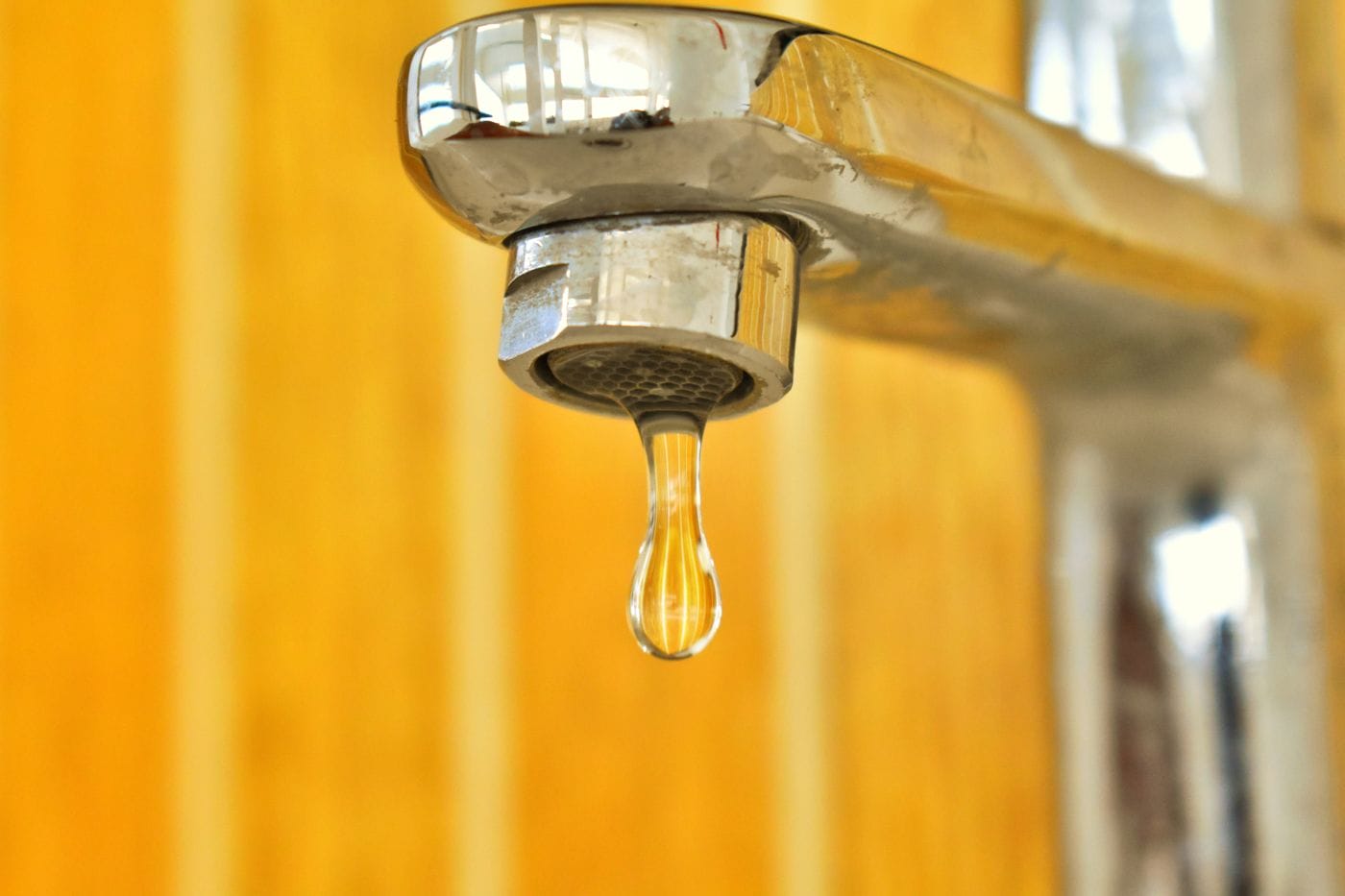
Moisture is the factor you can actually control, and it is the one that matters most. Mold can start growing in as little as 24 to 48 hours on a wet surface. Keep indoor relative humidity under 50 per cent, and 30 to 50 per cent is better still. Fix a dripping faucet the week you notice it. A leak left alone always costs more later than the repair would have.
A Food Source
Mold eats organic carbon based material, which describes most of what a house is built from. Wood framing, drywall paper, carpet, upholstery, insulation backing, cardboard, wallpaper paste and ordinary household dust all qualify. You cannot remove the food source from a building, so moisture control is the only practical lever.
Temperature
Species survive across a wide range, from below zero to over 40 degrees Celsius. Most prefer 25 to 30 degrees, and growth largely stops below about 4.4 degrees Celsius. That is why refrigerators are held at 2 to 4 degrees. It also means a heated house sits inside that comfortable range all winter, so cold weather outdoors is no protection.
Oxygen
Molds are obligate aerobes. They need oxygen to grow, though only a small amount of it. Moving air also carries spores from room to room, which is how a problem that starts in the basement becomes a problem upstairs.
Darkness
Mold prefers the dark. It tolerates indirect light and even some direct sun, but it does best behind and underneath things. Crawl spaces, storage rooms, attics, the back of a closet and the gap behind furniture pushed against an exterior wall all get overlooked.
Time
Nothing about mold is instant, but the window is short. Twenty four to forty eight hours of standing water is usually enough to start a colony. After that the growth spreads and the repair grows with it. If the affected area is larger than about one square metre, bring in a remediation crew instead of handling it yourself.
Not sure how far it has already gone? We inspect, test and measure the affected area before quoting anything. Call (204) 789-1514 and we will take a look.
What Causes Mold in Homes, Apartments and Businesses
Those conditions get created by ordinary, everyday situations. These are the causes we find most often.
High Humidity
Heavy rain and humid weather raise indoor moisture without a single leak involved. An inexpensive hygrometer tells you where you stand, and 30 to 50 per cent is the target. High humidity also means spills, damp towels and wet materials take much longer to dry, which stretches the window for growth.
Leaky Pipes and Roofs
A leak behind a wall, under a floor or above a ceiling can run for weeks before anyone notices. By then the framing is wet, the insulation is soaked and the colony is established. Slow hidden leaks are the most common cause of the black mold cases we are called to.
Condensation Build-Up
Condensation forms wherever a warm surface meets cold air, or the reverse: metal piping, concrete walls and floors, window frames and uninsulated ducts. Winnipeg winters make this worse, because the temperature difference across an exterior wall stays extreme for months. The moisture then drips onto the carpet, wood or drywall below.
Poor Ventilation
Without airflow, damp air has nowhere to go. It settles on cool surfaces and stays there. A bathroom with no working exhaust fan is the classic example, along with closed up basements and attics with blocked vents. Running the fan during a shower and leaving it on afterward does more than people expect.
Wet Clothing and Fabric
Damp towels and clothes left on the floor create a wet patch and a food source at once. The moisture soaks into the carpet and wood underneath, and fabric holds spores well. Hang wet items up or get them into the dryer rather than leaving them in a pile.
Water Near the Foundation
If the ground slopes toward the house instead of away from it, water pools against the foundation and works its way in. Blocked gutters and downspouts that discharge right beside the wall do the same. This turns serious during the spring melt, when a lot of water comes off the ground in a short stretch and basements take the load.
Already have water in the building? Our water damage restoration crews work around the clock, because drying a structure within 48 hours is what keeps a water problem from becoming a mold problem.
The Source Is Not Always Where You See It
Visible growth is usually the smallest part of the problem. Water runs downhill and sideways along framing, so a stain in a main floor ceiling can trace back to a roof leak two metres away. Guessing leads to repeat work. If you are still deciding whether the patch on your wall is mold at all, our guide to what mold looks like covers colour and surface, and our list of the different types of mold explains which species turn up in which conditions. If the growth is flat and powdery, read our mold versus mildew comparison first.
Mold Prevention Tips
- Book regular home inspections, including the spaces you rarely enter
- Repair leaks as soon as you find them
- Dry wet areas within 24 to 48 hours
- Improve airflow by opening windows and running exhaust fans
- Use mold resistant drywall and paint in bathrooms and basements
- Monitor humidity with a hygrometer
- Clear gutters of leaves and debris, and extend downspouts away from the house
- Keep storage areas free of clutter so air can move
Find the Cause, Not Just the Stain
Removing growth without fixing the moisture behind it guarantees a second visit. Our IICRC certified technicians trace the water first, then contain and remove the mold, then document the work for your insurer. We are available 24/7. Call (204) 789-1514 or book an inspection through our contact page.