Mold does not appear at random. It grows where water sits, where air does not move, and where nobody looks. That means the same handful of rooms turn up again and again, and the worst growth is usually the growth you cannot see from the doorway. Here is where mold shows up indoors, room by room, plus the hidden spots that do the most damage before anyone notices them.
Mold needs four things: moisture, something organic to eat, darkness, and time. Drywall, wood, carpet, fabric, and dust all count as food, so in most homes the only missing ingredient is water. Give a damp surface 24 to 48 hours and growth can start. At Mold Removal Winnipeg, we find most of it within a metre of a leak, a drain, or a cold outside wall.
Room by Room: Where Mold Grows Indoors
The Bathroom
The bathroom is the most reliable mold spot in any house. Every shower puts warm water vapour into a small room, and if the fan is weak or nobody turns it on, that vapour settles on tile, grout, and the ceiling. Look along grout lines, around tub and sink sealant, on the shower curtain, behind the toilet tank, and inside the exhaust fan housing. The cabinet under the sink hides slow drain leaks for months. Our post on mold in the bathroom covers cleaning and prevention in more detail.
The Kitchen
Kitchens have more water lines than any other room. Mold turns up under the sink, behind the dishwasher, under the fridge where the drip pan sits, and behind the stove where steam and grease collect. Check the seal on the dishwasher door and the hose connections at the back. A slow supply line leak can soak the subfloor and the wall cavity long before a drop reaches the floor you walk on.
The Basement
Basements combine everything mold wants: cool concrete, damp air, weak airflow, and stored cardboard. Warm humid air from upstairs meets cold foundation walls and condenses, which wets the surface with no leak involved at all. Add spring melt pushing water against the foundation, plus the occasional sewer backup, and Winnipeg basements stay near the top of the list. Growth usually starts on the bottom edge of drywall, behind studs on exterior walls, under carpet, and on boxes sitting right on the floor. Our guide to mold in the basement goes further.
The Laundry Room
Washing machines hold water by design. The rubber door seal on a front loader traps it, and so does the detergent drawer. If the door stays shut between loads, the drum never dries. Wet towels left in a pile, or clothes left sitting in the machine, start to smell within a day or two. That smell is mold. Check behind and under both machines, where drain hoses drip and lint holds moisture against the wall.
The Attic
Attic mold almost always means water from above or moisture from below. A roof leak soaks the sheathing and the insulation. Or a bathroom fan vents into the attic instead of outside, so every shower delivers warm wet air to a cold surface. Look at the underside of the roof deck, around vents and the chimney, and at any insulation that looks flattened or stained.
Around Windows
Windows earn their own mention in Winnipeg. Through a cold snap, warm indoor air hits cold glass and frames and runs down onto the sill. If that water is not wiped up, it soaks into the wood, the caulking, and the drywall below. Look for black speckling on the sill, peeling paint under the window, and trim that feels soft or looks swollen.
Not sure what you are looking at? A technician can tell you in one visit. Call (204) 789-1514 and describe the room, the smell, and what the patch looks like.
Where Mold Hides
Visible mold is often the smallest part of the problem. A patch the size of your hand on the drywall can mean a colony across the whole cavity behind it. These are the places growth develops out of sight.
Behind Walls
Wall cavities are dark, still, and lined with paper faced drywall and wood. All a colony needs is a leaking supply line, a dripping drain, or condensation on a cold exterior wall. Mold behind walls can spread for months before it shows up as a stain, a bubble in the paint, or a soft spot.
Under Floors and Behind Tiles
Water travels under flooring and stays there. Carpet and underlay hold it against the subfloor, and laminate traps it underneath. Tile is worse in one way. Cracked grout and failed sealant let water pass behind the tile, where it sits on the backer board with nowhere to dry. Mold grows there quietly and only shows when grout darkens or a tile comes loose.
Crawlspaces
Crawlspaces are rarely ventilated well and almost never checked. A dirt floor gives off moisture, ground water seeps in, and the air barely moves. Growth there does not stay there either. Air rises into the living space, carrying spores and that musty odour with it.
Furnace and Air Ducts
Your heating and cooling system can spread a small problem through the whole house. Condensation forms around the cooling coil and drain pan, dust settles in the ductwork and feeds growth, and the blower then sends spores to every room. Dirty filters make it worse by slowing airflow and holding moisture in place.
Insulation and Ceilings
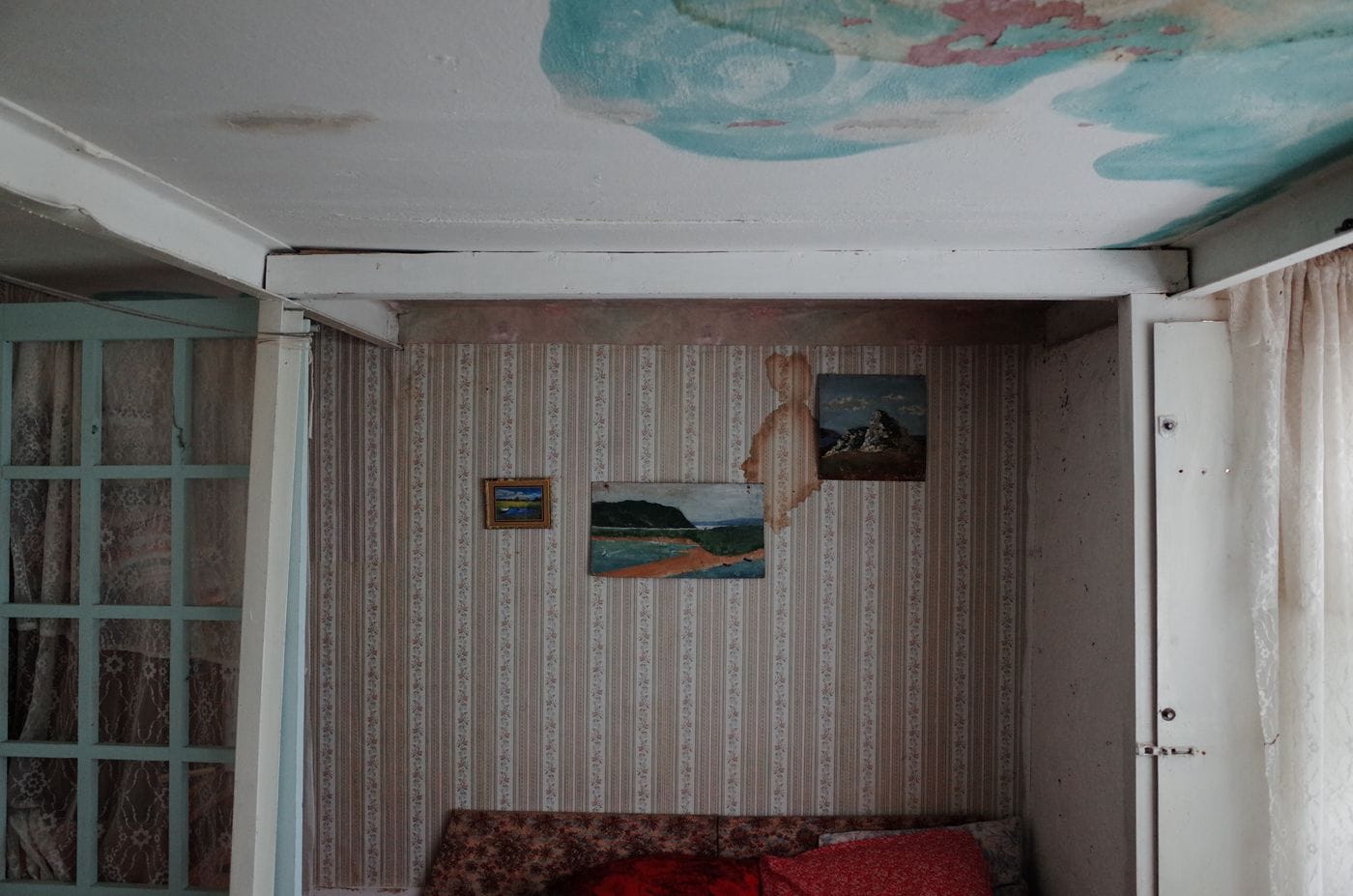
Insulation soaks up water and dries slowly, which makes it a good host. Ceiling drywall and tile under a roof leak, or below an upstairs bathroom, are common spots. A brown ring on a ceiling is a water stain, and mold is often already growing on the other side of it.
Signs of Mold You Cannot See
When the growth is hidden, you have to read the clues instead:
- A musty, earthy odour that returns after you clean, and is strongest in one room.
- Water stains or discoloured rings on ceilings, walls, or around window frames.
- Paint that bubbles, wallpaper that peels, or baseboards that warp.
- Heavy condensation on windows and cold pipes through the winter.
- A cough, congestion, or itchy eyes that ease off when you leave the house.
- A patch of floor that feels soft or springy underfoot.
Any of these is worth a closer look. Air and surface sampling can confirm whether there is a problem and how far it reaches, without opening up every wall. Here is more on mold testing and what the results tell you.
Found something and not sure how deep it goes? Book an inspection and we will check the hidden spots as well as the obvious ones.
Get Your Home Checked
Mold grows where moisture collects, so the list above is really a list of places to keep dry. Check the trouble spots a couple of times a year, fix leaks quickly, and keep the air moving. If you find growth, or you smell it without finding it, Mold Removal Winnipeg can inspect, test, and remove it. We are available 24 hours a day, our technicians are IICRC certified, and we work with insurance companies. Call (204) 789-1514 or contact us to book a visit.