A leak almost never announces itself. It soaks into insulation, runs along a joist, and works quietly behind drywall for weeks. By the time the ceiling sags or the carpet squelches underfoot, the repair bill has already grown. Water damage is one of the most common reasons Winnipeg homeowners and business owners call their insurance company, and most of those claims started with a clue that somebody walked past.
The good news is that water leaves a trail. You only have to know what to look for. Below are ten signs that moisture is working on your property, what each one usually means, and what to do next. At Mold Removal Winnipeg, we see this every week in older Winnipeg homes, where a faint stain on a basement wall turns out to be a cracked foundation that has been leaking all spring.
How To Spot Water Damage Early
1. Water Stains On Walls And Ceilings
Yellow or brown patches on a wall or ceiling are the clearest sign of a leak above or behind the surface. Look for paint that is bubbling, blistering, or peeling, and for wallpaper lifting at the seams. Check the places most likely to leak: under bathrooms, along roof lines, beside plumbing runs, and around windows and doors. A slow leak can hide behind trim for months.
2. Water Stains In The Attic
The attic is where roof leaks show up first, and it is also the place nobody looks. Staining is harder to spot there because it sits above eye level and often hides under insulation. Take a flashlight and inspect the underside of the roof deck, the area around vents and the chimney, and the insulation itself. Damp insulation, darkened wood, or a stale smell all point to water getting in from above.
3. Water Stains On The Basement Floor
Basements sit below grade, so they take the first hit from groundwater. Damp patches on the floor, a tide line along the bottom of a wall, or staining near the floor drain can mean seepage through the slab or a failed pipe. Look for mold and mildew at the same time. If either one is present, the moisture has been sitting long enough to do more than surface damage.
4. Water Stains On Foundation Walls
Streaks or chalky white deposits running down a foundation wall usually mean water is pushing in through cracks. Inspect the wall from end to end, including behind stored boxes and shelving. Look for discolouration, peeling paint, and concrete that crumbles when you press it. Foundation leaks do not fix themselves, and the repair gets more expensive the longer you wait.
Not sure whether a stain is old or still active? Our technicians read moisture levels behind the surface with meters, so nobody has to guess. Call (204) 789-1514 and we will come look.
5. High Humidity And Damp Air
A room that feels muggy, windows that fog up, or a dehumidifier that fills faster than usual all point to excess moisture in the air. Damp air on its own warps wood, lifts flooring, and feeds mold. Check anything built of wood on and around your property: decks, stairs, fences, and interior trim. Weathering, soft spots, blisters under paint, or rot tell you moisture has been present for a while.
6. A Musty Smell Or Visible Mold
Mold needs very little to start. Damp material and 24 to 48 hours is usually enough. That stale, earthy, mildew smell is often the first warning you get, because most growth begins out of sight: behind drywall, under carpet, inside a wall cavity. Mold usually starts as a small spot and spreads fast. Some types, including black mold, are linked to breathing trouble and allergy symptoms, so removal is a job for trained technicians rather than a spray bottle.
7. Dripping Sounds Or Strange Noises
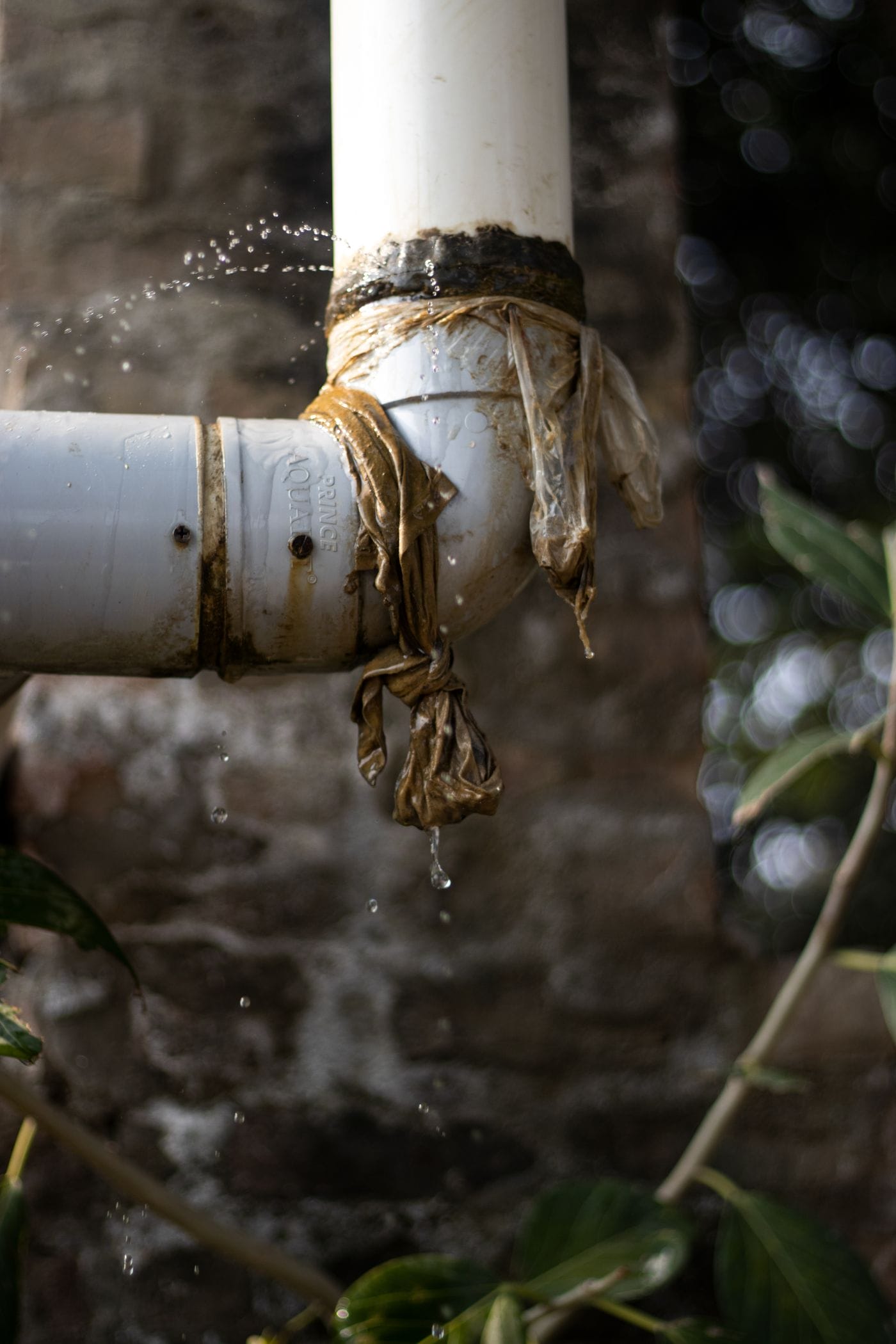
If you hear dripping, trickling, or running water while every tap in the building is off, a pipe is leaking somewhere you cannot see. Sound travels along joists, so the noise may not sit directly under the leak. Rattling or gurgling from ductwork can point to moisture in the HVAC system. Any water sound that is out of place is worth tracking down the same day.
8. Rust On Pipes And Metal Fixtures
Rust is a slower clue, but a reliable one. Corrosion on supply lines, shut off valves, the base of a water heater, or the feet of a furnace means metal has been in contact with moisture for some time. Rust weakens the metal it forms on, so a rusted fitting today becomes a leak later.
9. A Sudden Jump In Your Water Bill
Your water bill is a leak detector you already pay for. Compare it month to month. If usage climbs and your habits have not changed, water is going somewhere it should not. Check toilets, taps, the dishwasher, and the washing machine for drips while they sit idle. A running toilet can waste water for months without ever leaving a puddle.
10. Loose Or Cracked Caulk Around Pipes And Fixtures
Caulk seals the joints between fixtures and surfaces. Once it cracks, shrinks, or pulls away, water runs straight into the wall or floor behind it. Check around tubs, showers, sinks, and anywhere a pipe passes through a wall. Caulk that has yellowed or darkened from its original colour has usually been wet for a long time. New caulk costs a few dollars. The drywall and subfloor behind it cost far more.
What To Do When You Spot One Of These Signs
Start by finding the source. Stop the water if you can reach a shut off valve. Take photos of everything before you move or clean anything, because your insurer will want them. Then get the area assessed. Water that sits for more than 48 hours turns a drying job into a mold and rot job, and the cost climbs with it.
It also helps to know what you are up against. Many of these signs trace back to the same handful of causes of water damage in homes, and knowing what to do immediately after discovering water damage can save your property from far more invasive repairs later. For the full picture of how drying and repair work, read our guide to water damage restoration.
Surface water is easy to mop up. The water inside a wall cavity, under a subfloor, or in soaked insulation is not, and that hidden moisture is what grows mold and rots framing. If a sign on this list shows up at your place, call (204) 789-1514 for an inspection before you start pulling things apart.
Get Your Property Inspected Today
Catching water damage early is the cheapest repair you will ever make. Mold Removal Winnipeg is available 24 hours a day, every day, with IICRC certified technicians who extract standing water, dry the structure, and restore the space. We work with insurance providers, so the claim side is handled too. Call (204) 789-1514 or reach us through our contact page to book an inspection and a quote.