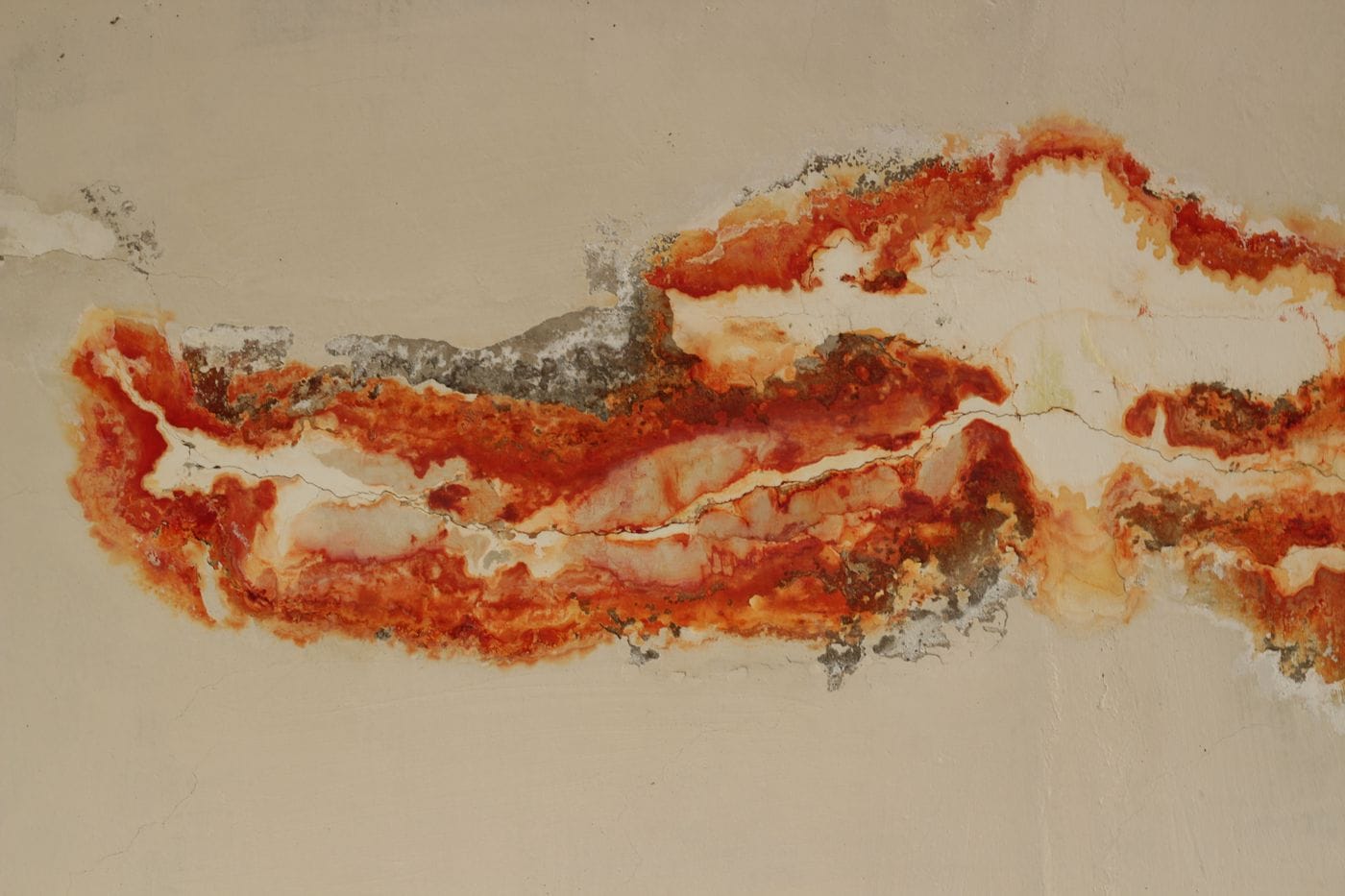
Dark green or black patches in the shower, along a basement wall, or under the kitchen sink, with a musty smell you cannot place. That combination usually points to one thing. Black mold is the type most homeowners worry about, and for once the worry is reasonable. It grows on material that has been wet for a long time, and it should be dealt with quickly.
Here is the part that gets lost in the scare stories: not all black mold is toxic, and not all toxic mold is black. Colour alone proves nothing. What matters is the species, how much of it there is, and how long people have been living with it. At Mold Removal Winnipeg, we find it most often in basements that took on water during spring melt and were never dried out properly.
What Is Black Mold?
Black mold usually means Stachybotrys chartarum. It is dark green to black, and it tends to look damp or slimy rather than dry and powdery. It feeds on cellulose, which in a house means drywall paper, wood, cardboard and even heavy dust.
What sets it apart is what it needs. Most household mold is happy with a little humidity. Stachybotrys wants material that has stayed soaked for days or weeks. Finding it almost always means finding a water problem behind it.
Several other species look very similar, so you cannot confirm black mold by eye. Only a lab test settles it. Our guide to mold testing explains when it is worth doing, or call (204) 789-1514 and we will take a sample.
Why Is Black Mold So Dangerous?
Stachybotrys produces mycotoxins. These are compounds that can affect people and animals when they are breathed in, swallowed, or touched over a long period. That is the real difference between black mold and the mildew on a shower curtain.
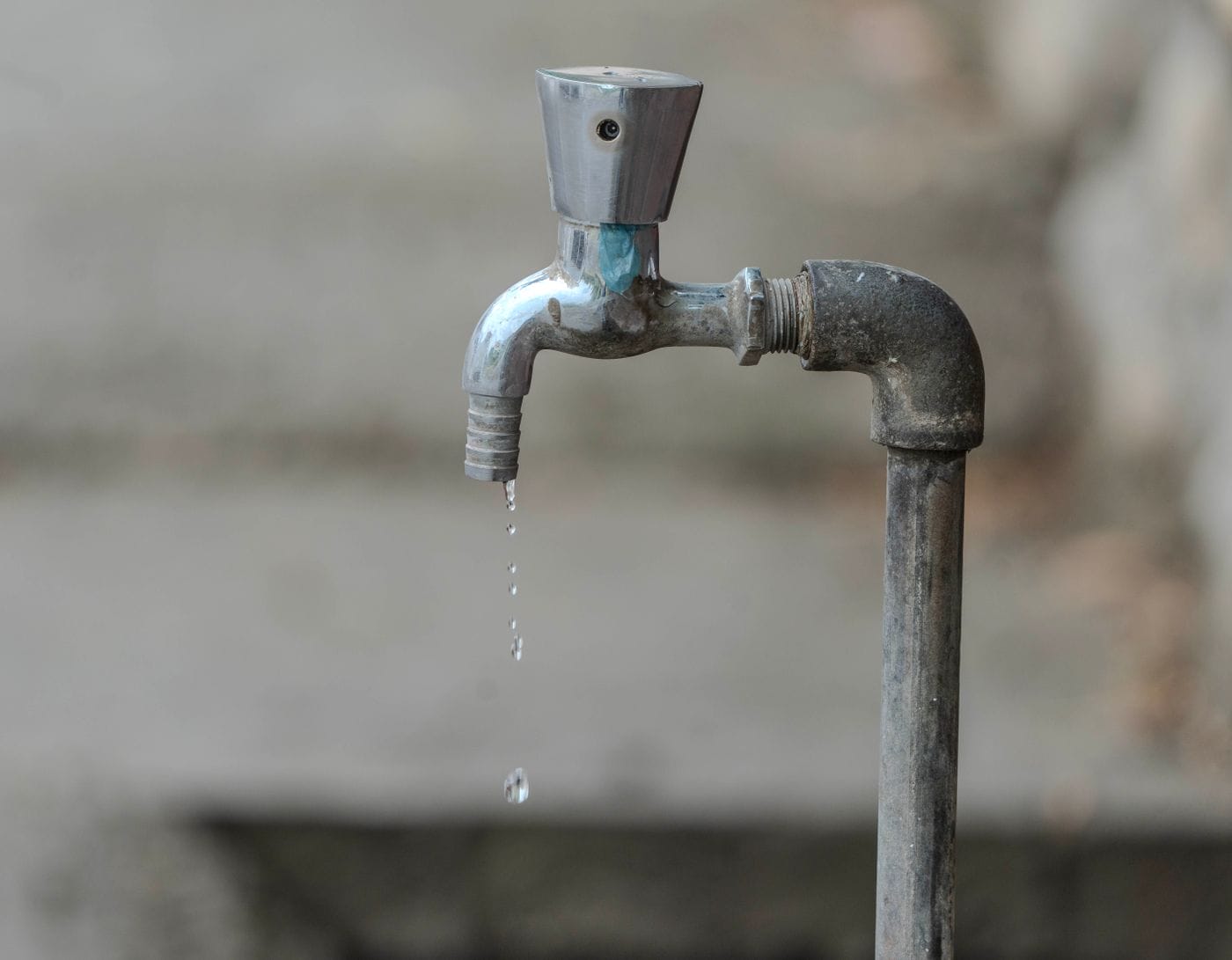
The second reason is what it signals. Black mold does not grow on a surface that got damp once. It grows where water has been sitting. By the time it appears, there is often rot, ruined insulation, or a leak that has been running quietly for months. Treating the patch and ignoring the water behind it guarantees a repeat.
How Does Black Mold Spread?
It spreads the way all mold spreads, through spores. Spores are microscopic and travel through the air. They can sit dormant for weeks and start growing only once they land somewhere wet enough.
This is why disturbing a patch is risky. Scrubbing, sanding or tearing out moldy drywall throws a cloud of spores into the air. They settle in rooms that were clean an hour earlier.
Black mold needs the same six conditions as any other mold, which we cover in the ultimate guide to mold:
- Temperature: warm indoor conditions suit it best.
- Water: damp or soaked material, from a leak, a flood or condensation.
- Oxygen.
- Food: cellulose, mainly drywall, wood and paper.
- Darkness: behind walls, under floors, inside cupboards.
- Time: growth can begin within 24 to 48 hours of a surface getting wet.
Signs of Black Mold
There are four practical ways to tell whether you have a problem.
- Smell. A strong musty odour, like wet cardboard, old clothes or rotting leaves. Often this is the first clue, before anything is visible.
- Colour. Dark green through to black. Remember that colour on its own does not confirm the species.
- Texture. Fuzzy, damp and slimy, rather than the dry powdery look of mildew.
- Testing. A lab test or an inspection by a certified technician is the only way to be sure.
Two other signs to watch for: water stains or a known leak, and health symptoms that show up at home and ease off when you are away for a few days.
Not sure what you are looking at? Call (204) 789-1514 and describe it. We would rather tell you it is harmless than have you find out the hard way.
Health Problems and Symptoms
Black mold affects people differently. Some notice nothing at all. Others react within hours. The people most likely to feel it are those with asthma, allergies or lung conditions, anyone with a weakened immune system, and infants and older adults.
Symptoms reported after exposure include:
- Itchy, red or watering eyes
- Skin rash
- Coughing and sneezing
- Runny or blocked nose
- Sore throat
- Difficulty breathing
- Worsening asthma symptoms
- Headaches and ongoing fatigue
With longer exposure, people also report recurring headaches and dizziness. These symptoms overlap with colds, allergies and plenty of other conditions, so mold is easy to overlook as the cause.
To be clear about what we can and cannot tell you: we can confirm whether mold is present, identify it and remove it. We cannot diagnose anyone. If symptoms are persistent or severe, see a doctor and mention the mold. Our article on the health effects of mold exposure goes into more depth.
Where Does Black Mold Grow?
It grows where water collects and stays, and it is not fussy about the surface. Drywall, fibreboard, wood, wallpaper, carpet and tile grout all suit it, with paper-faced material the usual favourite. The common places are:
- Inside wall cavities and behind drywall
- Basements, especially after flooding or a sump pump failure
- Under and behind carpet
- Around window sills, where condensation runs down
- In air vents and ducts
- Attics with poor ventilation
- In the building foundation
- Under sinks, showers and toilets with slow leaks
Winnipeg homes have two seasonal weak points. Spring melt puts water into basements. Then winter seals the house up tight, and the moisture from cooking, showers and humidifiers has nowhere to go. Our guide to mold in the basement deals with the first one.
How to Remove Black Mold
This is one job to hand over. Removing black mold badly is worse than leaving it alone, because disturbing a colony without containment spreads spores through the rest of the house.
There is a second reason. Mold burrows into whatever it attaches to, so wiping a surface leaves the growth in the material underneath. Porous items that are soaked, such as drywall, ceiling tile and carpet underlay, have to come out. They cannot be cleaned back to safe.
Professional removal follows a set order: seal off the work area, set up negative air pressure, wear proper protective equipment, take out contaminated material, treat and clean what stays, dry the structure, then fix the water source that started it. Skip that last step and the mold comes back.
Our technicians are IICRC certified, we answer calls 24 hours a day, and we work directly with insurance companies. If you think you have black mold, book an inspection through our contact page before you touch it.
How to Prevent Black Mold
Prevention is moisture control. Everything else is detail.
- Keep indoor humidity below 50 percent, using an air conditioner or a dehumidifier.
- Run exhaust fans in bathrooms and kitchens, and make sure the dryer vents outdoors.
- Fix leaking roofs, pipes, windows and faucets as soon as you find them.
- Dry any wet area within 24 to 48 hours.
- Pull out carpet, underlay or furniture that will not dry quickly.
- Use mold-inhibiting paint in bathrooms and basements.
- Wipe bathroom tile and grout with a mold-killing cleaner.
- Have the house inspected if it has flooded before.
If you have already had water in the basement, prevention starts with a proper dry-out. Call (204) 789-1514 and we will check whether anything is still wet behind the walls.
Book an Inspection With Mold Removal Winnipeg
Black mold is not a problem that waits. It feeds on wet building material and keeps going until the water is gone. If you have seen dark patches, smelled something musty, or dealt with a flood that was never fully dried, get it checked. Our certified team covers all of Winnipeg, 24 hours a day. Call (204) 789-1514 or use our contact page to book an inspection.