Mold is cheaper to prevent than to remove. It needs water to start, so nearly every prevention step comes down to the same thing: keep the house dry and keep the air moving. Do that and mold never gets a foothold. Skip it, and a small leak behind a wall becomes a remediation bill. Here are eight practical habits that keep mold out, plus the seasonal pressures that make this harder in a Winnipeg home.
Some mold is harmless, and outdoors it breaks down dead material. Indoors is a different story. Once a colony takes hold in drywall or insulation it damages the material it feeds on, and the spores it releases can trigger allergy symptoms, coughing, and asthma flare ups in the people living with it. At Mold Removal Winnipeg, most of the jobs we take could have been avoided by drying one wet spot sooner.
What Mold Needs to Grow
Mold needs four things, and you control only one. Food: wood, drywall, carpet, fabric, and dust. Darkness, which wall cavities and basements supply. Time. And moisture. Moisture is the one you can take away. Growth can start on a wet surface in 24 to 48 hours, and indoor humidity above 50 percent is enough to keep it going. Aim for 30 to 50 percent all year. Our post on what causes mold in a house breaks this down further.
8 Tips to Prevent Mold Growth
1. Inspect Your Home Twice a Year
Small leaks cause most mold problems, and small leaks hide. Walk the house in spring and in fall and check:
- Plumbing: under every sink, behind toilets, around the tub and shower, and at the water heater.
- The basement floor and walls, and the area around the sump pit.
- Window frames, sills, and door thresholds.
- Baseboards, especially along exterior walls.
- Air vents, ductwork, and the furnace filter.
- The attic, looking for stains on the roof sheathing.
Discolouration on a ceiling, wall, or floor is the usual first sign, along with condensation that keeps returning to the same spot. Our list of signs of water damage covers what else to watch for.
2. Fix Leaks Right Away
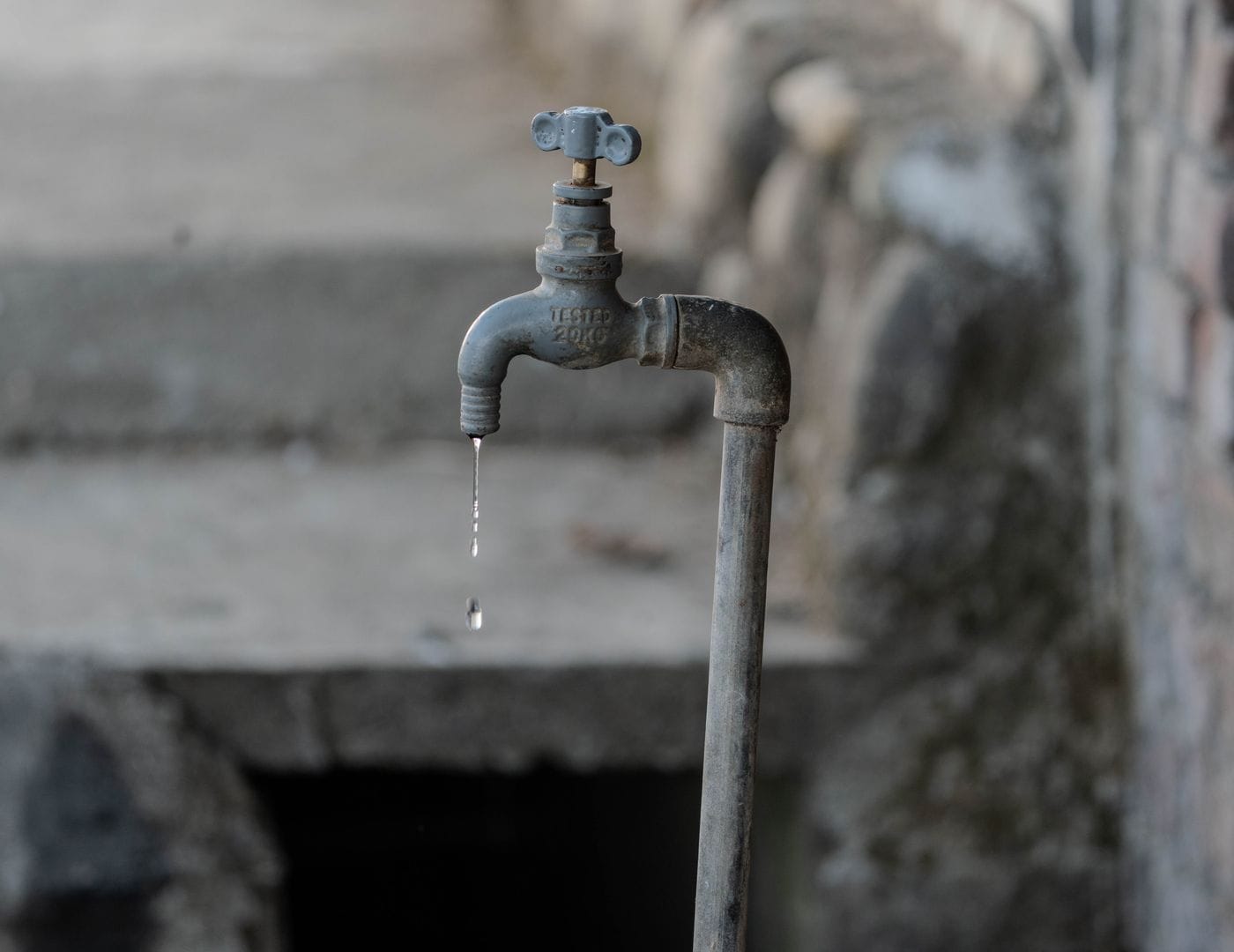
A dripping pipe under a sink is a two hour repair. Left alone, it soaks the cabinet base, the subfloor, and the wall behind it, and then it becomes a remediation job. Mold can start within a day or two, so treat every leak as urgent even when it looks minor.
Already have a damp spot you cannot explain? Call (204) 789-1514 and we will find where the water is coming from.
3. Dry Wet Areas Immediately
Wipe up spills, dry off condensation, and get soaked materials out of the house quickly. Carpet is the worst offender, because it is built to hold liquid and it dries from the top down. Do not leave wet clothes in the washer or piled on the floor. Leave the washer door and detergent drawer open between loads so the drum dries. If a room floods, the clock starts right away, and anything still wet after a day or two needs professional drying.
4. Keep the Air Moving
Still, humid air is what lets moisture settle on surfaces. Run the exhaust fan every time you shower, and leave it going for a while afterward. Use the range hood when you cook. Vent the dryer outside, never into the house. Open windows when the weather allows. Keep furniture a few centimetres off exterior walls, and never block floor vents or cold air returns.
5. Use Mold Resistant Materials
If you are renovating a bathroom, basement, laundry room, or attic, choose materials made for damp areas. Mold resistant drywall, paint with a mildewcide, and treated lumber all make growth harder to start. A polyethylene moisture barrier in a crawl space stops ground moisture rising into the house.
6. Watch Your Humidity
A hygrometer costs little and takes the guesswork out. Put one in the basement and one upstairs, and keep both readings between 30 and 50 percent. A dehumidifier earns its keep in a basement, especially with the hose run to the floor drain so it never shuts off full. Water beading on windows or on cold pipes is the plain warning sign that the air is carrying more moisture than it can hold.
7. Clean Your Gutters
Blocked gutters send water over the edge and down the wall, where it pools against the foundation and works its way inside. Clear them at least twice a year, and more often if you have mature trees. Check that downspouts carry water well away from the house, and that the ground slopes away from the foundation.
8. Cut the Clutter
Boxes stacked against a basement wall block airflow, hold moisture, and hide growth until it is well established. Cardboard and paper are food for mold. Store things in sealed plastic bins, keep them off the floor on shelves or pallets, and leave a gap between storage and the wall.
Mold Prevention Through a Winnipeg Year
The advice above applies anywhere. Our climate adds three specific pressures.
Spring Melt and Basement Flooding
When a winter of snow melts over a few weeks, the ground underneath is often still frozen, so the water runs across the surface instead of soaking in. It collects against foundations and finds any crack available. Heavy rain on top of melt can also overwhelm the sewer system and push water back up into basements. Before the melt begins, clear snow back from the foundation, extend your downspouts, and test the sump pump. If water does get in, water damage restoration in the first day or two is what stops a flood from becoming a mold problem.
Freeze and Thaw
Winnipeg crosses the freezing mark over and over in spring and fall. Each cycle expands and contracts the ground, the foundation, and the water sitting in concrete cracks, opening them a little wider each year. The same cycling builds ice dams along the roof edge, forcing meltwater back under the shingles and into the attic or the wall below. Check the foundation for new cracks each spring, and keep the attic insulated and ventilated so the roof surface stays cold and even.
Winter Heating and Trapped Humidity
Through a long heating season the house is sealed tight. Showering, cooking, laundry, and simply breathing put moisture into air that has nowhere to go. That warm damp air meets cold surfaces: windows, exterior wall cavities, the rim joist, and uninsulated pipes. It condenses there and feeds mold through the coldest months, out of sight. Run bathroom and kitchen fans hard in winter, turn the humidifier down if windows are streaming, and wipe the sills dry.
If you have found growth already, or you keep smelling something musty and cannot locate it, book an inspection before it spreads any further.
Keep Mold Out of Your Winnipeg Home
Mold prevention is a short list repeated often: control humidity, fix leaks fast, dry wet things quickly, and keep the air moving. Watch the basement in spring and the windows in winter and you will catch most problems early. If mold does show up, Mold Removal Winnipeg can test, remove, and repair it. We are available 24 hours a day, our technicians are IICRC certified, and we work directly with insurance companies. Call (204) 789-1514 or contact us to get started.